TRAIL
MAINTENANCE
Keeping Safe, Functional, and Enjoyable
Well-maintained trails are essential to providing a safe, accessible, and enjoyable outdoor experience for all users. At Trailworx Australia, we understand that trails and their associated infrastructure are living assets — they require ongoing care to remain safe, sustainable, and engaging.
Our trail maintenance services combine 15+ years of practical field experience with industry-leading condition auditing systems, giving councils, government agencies, and community groups a proactive way to protect their investment in trail networks.
Why Trail Maintenance Matters
Without regular maintenance, even the best-built trails can quickly deteriorate. Drainage failures, vegetation overgrowth, worn surfaces, and damaged features not only affect user experience but also increase long-term costs if left untreated.
By taking a planned and proactive approach, Trailworx helps clients:
- Extend the lifespan of trail networks.
- Reduce safety risks and liability.
- Keep trails compliant with IMBA Guidelines and Australian Standards (AS 2156).
- Protect natural environments by preventing erosion and habitat disturbance.
- Improve the visitor experience for walkers, riders, and multi-use users alike.
Our Approach to Trail Maintenance
We don’t just patch problems — we provide a complete asset management strategy. Following a detailed condition audit, our team delivers tailored reports that:
- Prioritise works based on urgency, safety risk, and user impact.
- Forward-plan budgets and timelines for efficient resource allocation.
- Highlight problematic issues early, addressing them before they escalate.
- Ensure compliance with relevant standards and best practices.
- Adopt a proactive approach, keeping assets at peak condition year-round.
What We Maintain
Trailworx provides end-to-end maintenance services across all types of trails and supporting infrastructure, including:
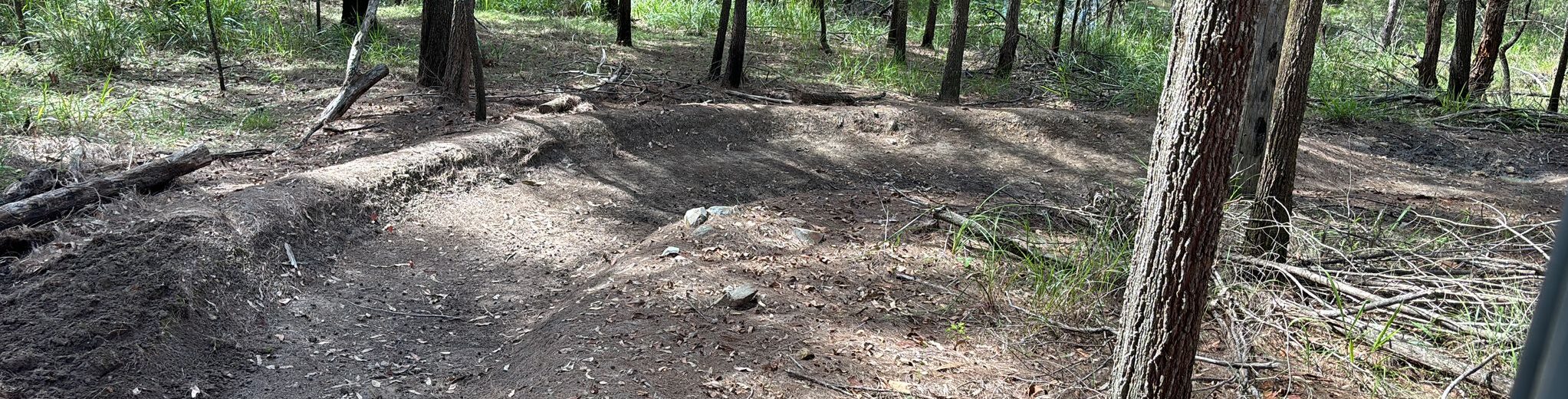
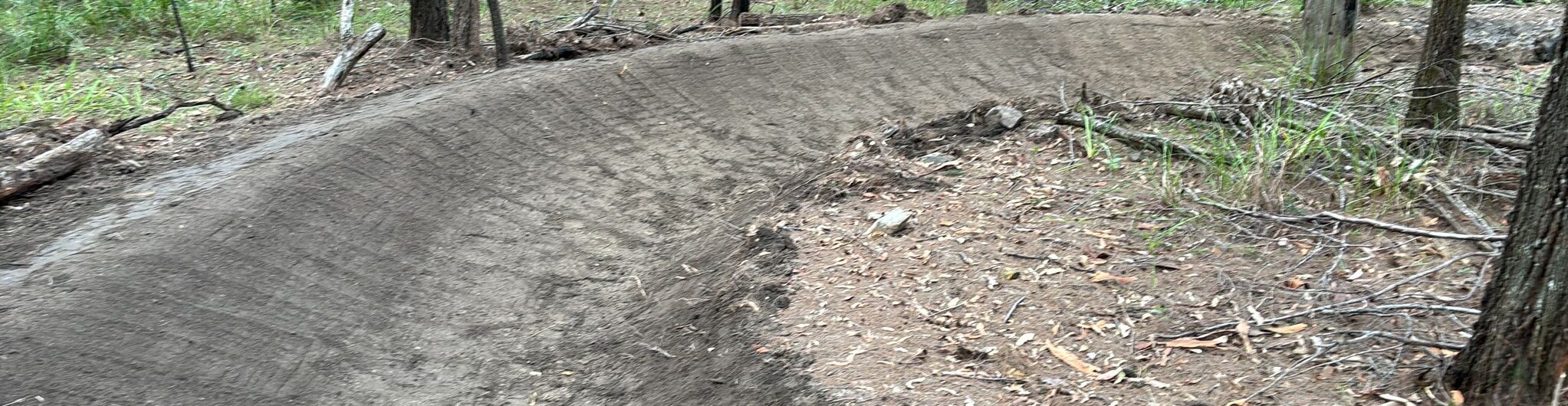
- Surface upkeep – reshaping, resurfacing, and compacting trail tread.
- Drainage management – clearing blockages, restoring grade reversals, and ensuring water is effectively shed.
- Vegetation management – clearing encroaching plants and managing sight lines for safety.
- Feature and infrastructure upkeep – maintaining trail signage, bridges, boardwalks, seating, wayfinding, and other built assets.
- Risk mitigation – hazard removal, safety compliance checks, and ensuring trail standards are consistently met.
Not sure which is right for you?
Book a free consultation today with our team.
Projects
See our audit projects to learn more.
Every site is unique, and so is the way we shape it. Take a closer look at the trails, tracks, and outdoor spaces we’ve helped create.
Supporting Funding + Forward Planning
Condition auditing and maintenance reporting not only guide current works — they also help secure funding for future upgrades. Councils and land managers can confidently apply for grants and budget allocations with accurate, data-backed evidence of maintenance needs. Read more in Trail Auditing.
Why Choose Trailworx For Maintenance
- Proven expertise across hiking, mountain bike, and multi-use trail networks.
- Fully compliant with IMBA and Australian trail standards.
- Local knowledge backed by national project experience.
- Scalable services — from small community paths to regional trail networks.
- A trusted partner for councils, government bodies, and community groups.
Partner With Us
FAQ
1. What does trail maintenance involve?
Our trail maintenance services cover the full range of ongoing care an active trail network requires, including:
- Surface upkeep: reshaping, resurfacing, and compacting trail tread
- Drainage management: clearing blockages, restoring grade reversals, and ensuring effective water runoff
- Vegetation management: clearing encroaching plants and managing sight lines
- Feature and infrastructure upkeep: maintaining bridges, boardwalks, signage, seating, and wayfinding
- Risk mitigation: hazard removal and safety compliance checks
2. How often should trails be maintained?
Maintenance frequency depends on the volume of use, trail type, and environmental conditions. High-traffic networks in areas with heavy rainfall may require more frequent attention, while lower-use trails in drier climates may need less regular intervention.
We take a planned and proactive approach – working with councils and land managers to develop tailored maintenance schedules that maximise trail lifespan and minimise long-term costs.